
Tool-lending libraries exist at the intersection of public resource infrastructure and grassroots community organizing. The concept is straightforward: a central depot holds a shared inventory of tools that members may borrow for a fixed period, returning them so the next person can use them. In practice, the details — membership fees, loan durations, liability frameworks, and cataloguing systems — vary considerably from one Canadian city to the next.
Origins and Growth in Canada
The first sustained tool-lending operation in Canada is generally traced to the Toronto Tool Library, which opened in 2013 as a non-profit. Within two years it had attracted several thousand members and relocated to a larger space in the Gerrard Square area. The Toronto model attracted attention partly because it placed itself inside the same conceptual frame as a public library: membership was inexpensive, the catalogue was extensive, and there was no profit motive.
Similar operations followed in Vancouver, Ottawa, Calgary, Winnipeg, and Halifax over the following decade. Some of these emerged from pre-existing maker communities; others were seeded by municipal sustainability initiatives or by individuals who had visited comparable institutions in U.S. cities such as Berkeley's Berkeley Public Library Tool Lending Center.
Membership Structures
Most Canadian tool libraries operate on an annual membership model. A 2024 survey of 14 active operations found that annual fees ranged from $35 to $80 for individuals, with household memberships (covering all residents at one address) running between $55 and $120. A handful of operations — notably those embedded within municipal library systems — offered memberships tied to a standard public-library card, effectively reducing the fee to zero for existing cardholders.
What Members Typically Access
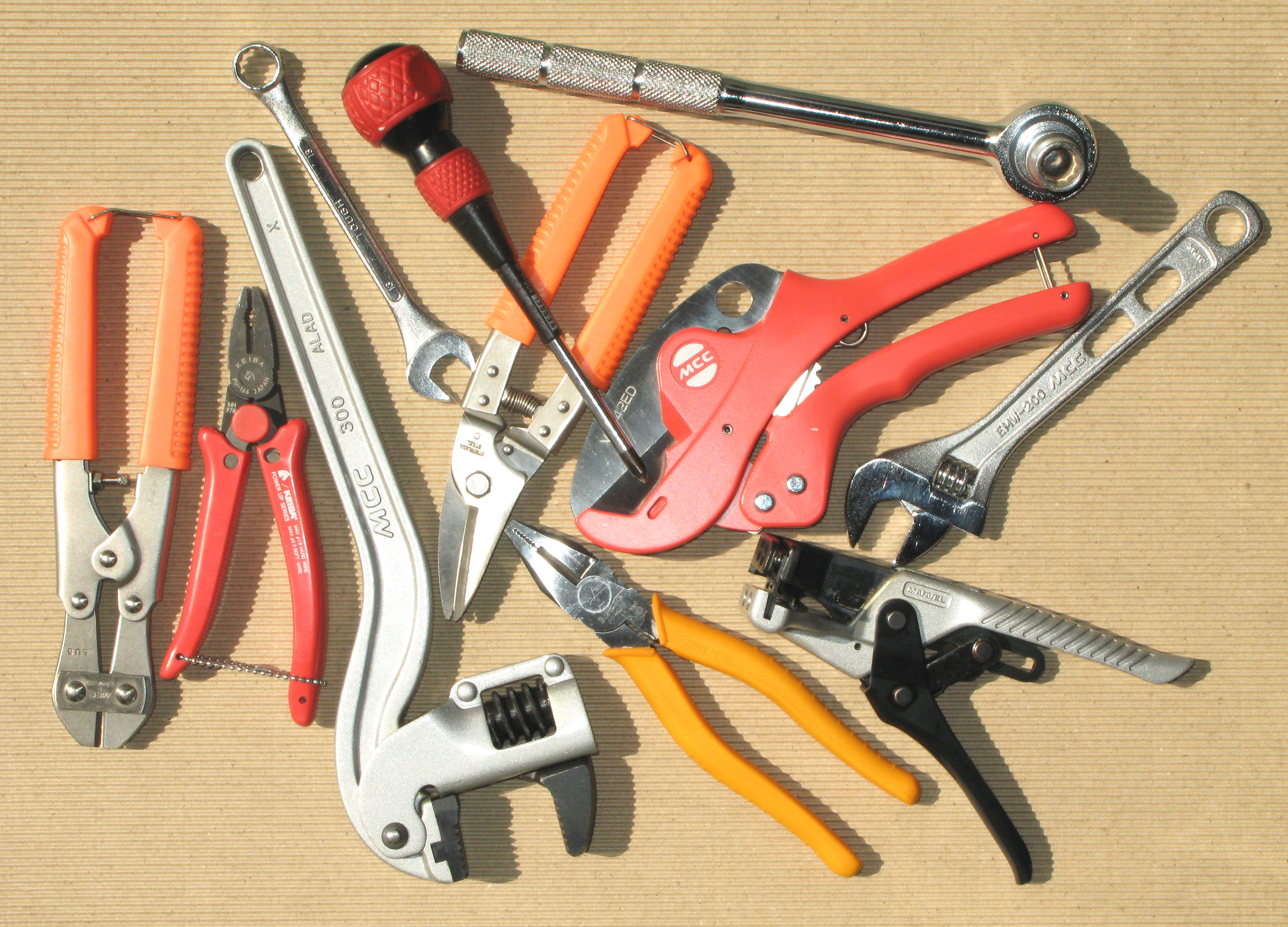
Inventory breadth is one of the most consistent markers of an established operation. A catalogue of 500 to 1,200 items is typical for a mid-sized urban depot. Standard holdings include:
- Power drills, circular saws, jigsaws, and reciprocating saws
- Angle grinders and belt sanders
- Ladders (extension and step, in multiple heights)
- Pressure washers and wet-dry vacuums
- Tiling and grouting equipment
- Concrete mixers (at larger depots)
- Specialty hand tools for plumbing roughing-in and electrical work
Larger operations also hold party-rental-adjacent items: folding tables, folding chairs, and occasionally outdoor tents — reflecting the reality that community members want to borrow seldom-used items broadly, not only construction equipment.
Loan Periods and Late Returns
Standard loan periods run from three to seven days for most powered equipment, with extensions available online if demand permits. High-demand items — particularly certain drill types and ladder sizes — may have shorter windows during peak renovation seasons (May through September). Most operations charge a modest late fee (typically $1–$3 per day) capped at the item's assessed value; a few take a softer approach and rely on member goodwill.
Cataloguing and Administration
The majority of Canadian tool libraries that have grown beyond roughly 300 members now rely on dedicated lending-management software. MyTurn is the most widely used platform among North American tool libraries as of 2024, supporting online reservation, automated availability notifications, and overdue tracking. Some smaller operations still manage inventory via spreadsheet or adapted open-source library-management software.
Volunteer and Paid-Staff Ratios
The operational labour model splits roughly into three categories: fully volunteer-run (common in smaller cities and in newer operations); hybrid (a paid coordinator or part-time manager supported by volunteers for shifts); and more formalized non-profits with two to four paid staff and a volunteer pool for special events. The Toronto Tool Library moved into the hybrid tier within its first three years and has maintained a small paid staff since.
Liability and Tool Condition
Liability is among the most frequently cited challenges for operators. Most Canadian tool libraries require members to sign a waiver acknowledging that tools may show wear, that members bear responsibility for safe operation, and that damage caused by misuse is the member's responsibility. Insurance coverage for the inventory itself is typically held by the operating organization, not by municipal entities, even where the operation receives city funding.
Tool condition is maintained through a combination of member-reported issues (flagged during return), regular staff inspections, and periodic deep-maintenance events where skilled volunteers service higher-wear items. Chains on chainsaws, blades on circular saws, and cords on older power tools are the most commonly replaced components.
Funding Sources
Sustainability in funding is an ongoing concern. The most common revenue streams are:
- Annual membership fees (often covering 40–60% of operating costs)
- Municipal grants or sustainability-fund allocations
- Provincial grants (Ontario's Community Services Recovery Fund has been cited by several operators)
- Donations of tools from estates or renovators clearing out garages
- Occasional crowdfunding campaigns for specific capital needs (shelving, a new van, software upgrades)
Operations that rely entirely on grant funding tend to be less stable than those with a substantial membership base; a dip in grant availability can force a hiatus. The Toronto Tool Library's model — deliberately building membership to a level where fees alone cover a meaningful share of the rent — is often cited as a reference point by newer operations.
Relationship to Public Libraries
Several municipalities have explored integrating tool-lending into their existing public library branches. The appeal is clear: an established physical network, existing patron relationships, and familiarity with lending logistics. The Vancouver Public Library piloted a seed library and a limited tool category in its Carnegie branch. The challenge is space: public library branches in older urban buildings were not designed to hold power tools and heavy ladders, and the insurance and workflow considerations differ from book lending.
Sources referenced: Toronto Tool Library · Berkeley Public Library Tool Lending Center · MyTurn lending platform · Vancouver Public Library