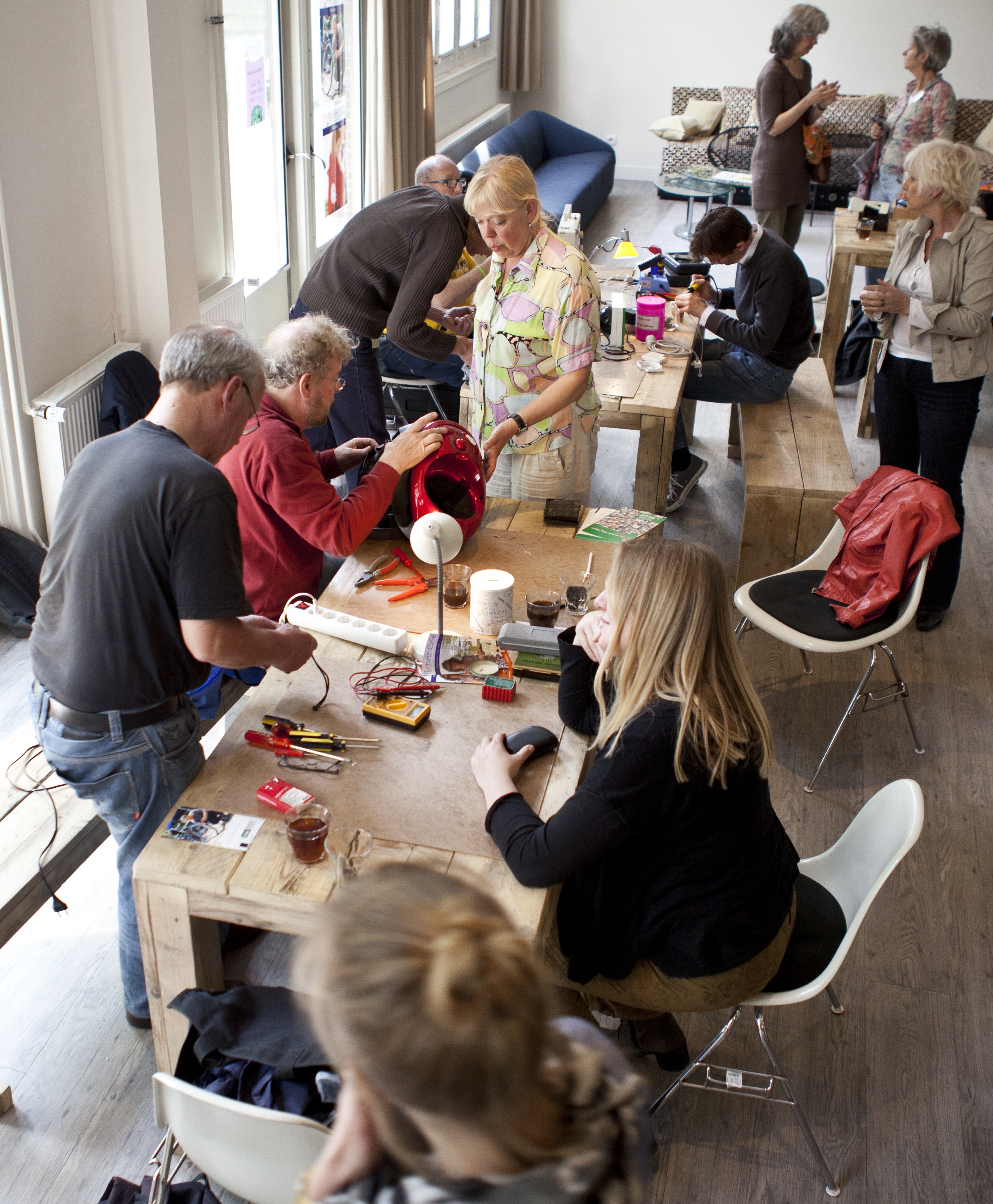
Repair gatherings in Canada have moved steadily from fringe curiosity to recognizable neighbourhood fixture. Over the past decade, the number of active events has grown from a handful of early experiments in Toronto and Vancouver to more than 80 registered or otherwise publicly listed gatherings spread across nine provinces. The format is consistent enough to be recognizable — a room, some tables, volunteers with repair skills, and members of the public who arrive with broken things — yet varied enough that no two events run quite the same way.
The Repair Café Model and Its Canadian Presence
The Repair Café Foundation, founded in the Netherlands in 2009, maintains an international network of affiliated events, each operating independently under a shared name and a loosely shared ethos. As of early 2025, Canada had 83 registered affiliates, placing it among the top ten countries by affiliate count. Ontario holds the densest cluster, with concentrations in the Greater Toronto Area, Ottawa, and the Waterloo Region. British Columbia follows, with active events in Metro Vancouver, Victoria, and several smaller Interior cities.
Affiliation with the international foundation is optional. A meaningful number of Canadian events operate under their own names — "Fix-It Night," "Repair Hub," or simply a community workshop branded locally — and are not counted in foundation data. The actual number of active events across Canada is therefore likely higher than official affiliate lists suggest.
What Happens at a Repair Event
The standard format involves a drop-in window of three to four hours, typically held on a weekend afternoon, at a community centre, library branch, or faith-based hall. Attendees bring broken or malfunctioning items. Volunteer repairers — who may have backgrounds in electronics, sewing and textiles, appliance mechanics, bicycle maintenance, or general woodworking — attempt the repair on the spot.
Repair Success Rates
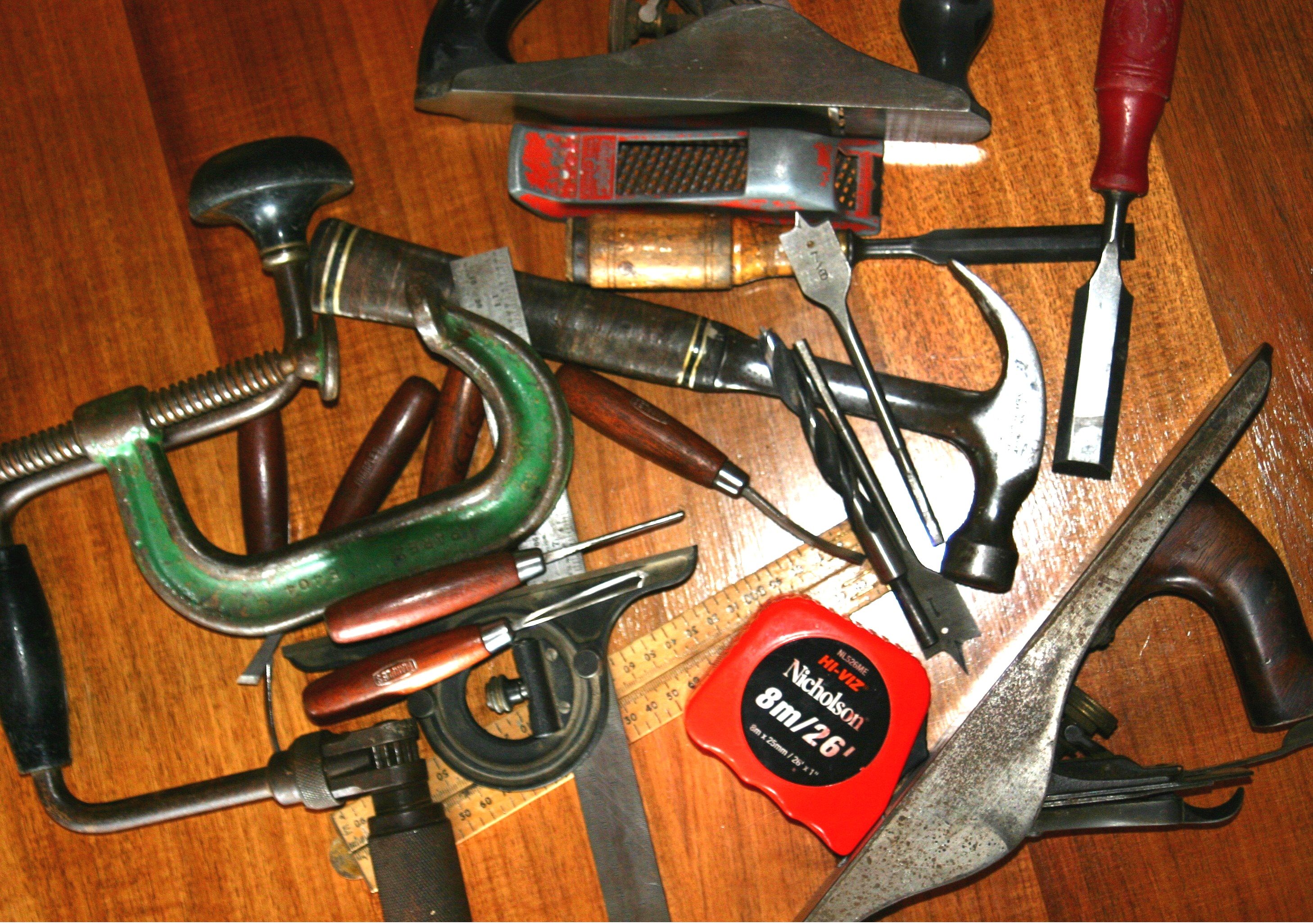
Published data from Canadian affiliates and from the Repair Café Foundation's annual impact report suggest that roughly 70–80% of items brought to a well-staffed event are fully or partially repaired. The remainder fall into categories where the fault requires a part that the volunteer does not have on hand, the item is beyond economic repair, or the repair requires specialist equipment not present at the event.
Electronics are the category with the highest variance: simple faults (a loose wire, a failed capacitor that a skilled volunteer can identify and source) get fixed quickly, but items with proprietary firmware locks or obsolete components often cannot be addressed on-site. Textile items — torn seams, broken zippers, worn-out elastic — tend to have among the highest same-session completion rates.
Volunteer Skill Pools
The quality and breadth of a repair event depend heavily on its volunteer base. Established events in larger cities tend to attract a stable core of 8 to 15 skilled volunteers per session, supplemented by newer volunteers learning specific areas. Smaller-city events may run with 4 to 6 volunteers, which necessarily constrains the range of items they can accept.
Recruiting volunteers with electronics repair skills is consistently cited as difficult. The cohort of people who built and repaired circuit-board-level electronics as a hobby is aging, and the skills required to diagnose a modern circuit board differ substantially from the skills needed to repair an older one. Several events have responded by partnering with local maker spaces or technical college programs to bring in younger volunteers with relevant training.
Organizer Profiles
Most repair events are organized by a small unpaid team, typically two to five people who handle venue logistics, volunteer scheduling, communications, and post-event data collection. The time commitment for a core organizer running monthly events is generally estimated at four to eight hours per month, excluding travel. Burnout among organizers is a recognized risk, and events that have run continuously for more than five years have often developed formal succession processes to move leadership to new people.
Funding
The majority of repair events operate at near-zero cash cost. Venue space is donated by the host organization; volunteers are unpaid; materials consumed (solder, spare thread, small fasteners) are either donated or purchased from a small float. Some events have applied for municipal or provincial environmental grants to cover liability insurance or to purchase a diagnostic oscilloscope or sewing machine for volunteer use. A few larger events charge a nominal attendance fee — $5 to $10 — which covers insurance and allows a small reserve fund.
Geographic Distribution and Gaps
Ontario and British Columbia together account for roughly 60% of known Canadian events. Quebec has a smaller but growing presence, with several active gatherings in Montréal and Québec City. The Prairie provinces have events in major cities (Winnipeg, Saskatoon, Calgary, Edmonton) but density remains low relative to population. Atlantic Canada has isolated events in Halifax and Fredericton, and the territories have no listed events as of early 2025.
Urban density strongly predicts event density: cities with walkable neighbourhoods and established community infrastructure tend to sustain repair events more reliably than spread-out suburban areas where venue access and volunteer travel time are more challenging.
Waste Diversion Impact
Repair events record data on items brought in and repair outcomes in order to quantify waste diversion. The Repair Café Foundation aggregated Canadian affiliate data for 2023 and estimated that approximately 340 tonnes of goods were diverted from landfill or incineration through repair at affiliated events in that year. This figure covers only registered affiliates and does not account for independent events.
At the individual item level, the calculation is straightforward: if an item is repaired and returned to use, it does not enter the waste stream. Extended product lifespans also delay the resource cost of replacement manufacturing, an effect that is harder to quantify but acknowledged in Environment and Climate Change Canada's extended producer responsibility framework discussions.
Sources referenced: Repair Café Foundation · Environment and Climate Change Canada